Tag: Comedy

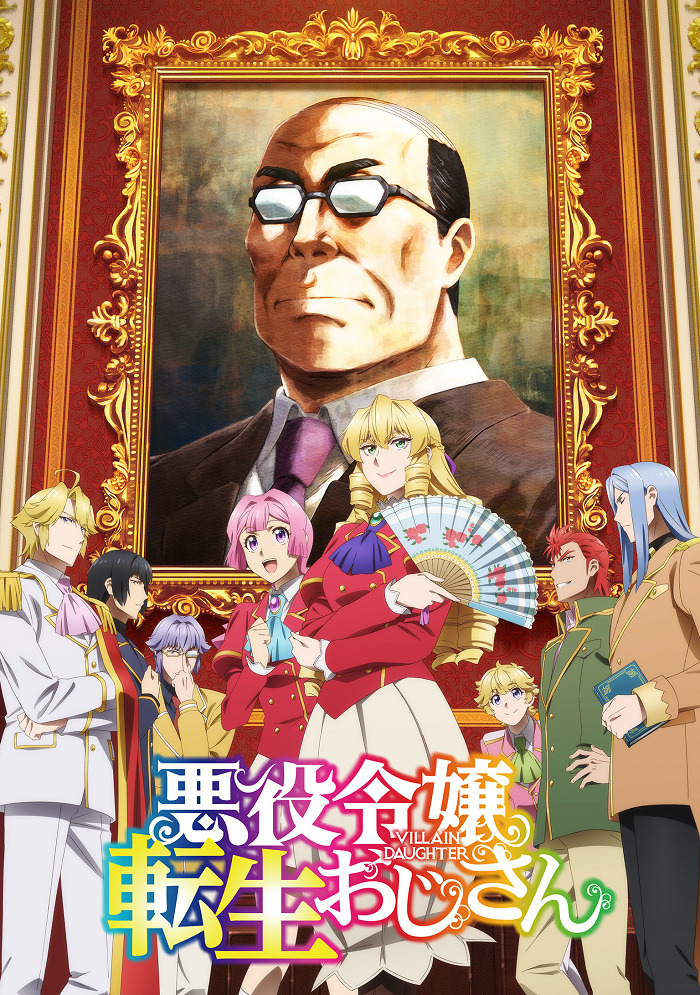
  • From Bureaucrat to Villainess: Dad’s Been Reincarnated!

    The Isekai That Proves Dad Skills Beat Magic 

    Most isekai protagonists are teenagers with cheat abilities. From Bureaucrat to Villainess: Dad’s Been Reincarnated! throws that formula out the window and replaces it with a 52-year-old civil servant whose greatest weapon is decades of workplace experience. 
    The Setup: A Truck, a Game, and a Very Confused Dad 

    Kenzaburo Tondabayashi is a diligent public employee who dies saving a young boy from traffic—the classic isekai truck, except this time the victim has a wife and daughter waiting for him. When he wakes up, he’s not in a fantasy world with a sword and a harem. He’s Grace Auvergne, the villainess from his daughter’s favorite otome game, Magical Academy: Love & Beast. 

    Grace is supposed to be cruel, haughty, and an obstacle to the game’s heroine, Anna Doll. Kenzaburo knows this because he’s watched his daughter play through the story countless times. The problem? He’s fundamentally incapable of being mean to a teenage girl. His paternal instincts kick in immediately, and he starts treating Anna like a daughter rather than a rival. 

    The “Elegant Cheat”: When Dad Energy Becomes a Superpower 

    Kenzaburo doesn’t get magical cheat abilities. Instead, he has something far more dangerous: the “Elegant Cheat,” a skill that translates his mundane, bureaucratic mannerisms into something refined and aristocratic. When he speaks plainly, it comes out elegant. When he tries to be rude, it registers as dignified. His decades of navigating office politics and dealing with difficult people translate perfectly into surviving a fantasy academy’s social minefield. 

    This is the show’s central joke, and it’s a good one. Every attempt Kenzaburo makes to follow the villainess script backfires spectacularly because his kindness and competence accidentally raise his popularity. He gives Anna parental advice, and she starts seeing him as a mentor. He acts reasonably, and the capture targets start falling for Grace instead. 

    The Real Emotional Core: A Family Watching from the Other Side 

    Here’s what elevates the series beyond a simple comedy premise. In the real world, Kenzaburo isn’t dead—he’s in a coma. His wife and daughter, both otaku themselves, discover that he’s trapped inside Magical Academy: Love & Beast, and they start playing the game to help guide him back home. They can’t communicate with him directly, but they can influence events, control his familiarity, and watch his progress. 

    This adds a layer of genuine warmth to the absurdity. The show isn’t just about a dad embarrassing himself in a fantasy world—it’s about a family working together across dimensions. The ending theme, a cover of “Matsuken Samba II” performed by the voice actors, hints at this: Kenzaburo has an internal persona wildly different from his dull bureaucrat exterior, and his family loves that side of him. 

    Should You Watch It? 

    If you’re tired of teenage isekai protagonists who solve everything with raw power, From Bureaucrat to Villainess offers something different. It’s a comedy about competence, kindness, and the unexpected value of life experience. Kenzaburo doesn’t win because he’s strong—he wins because he’s been navigating bureaucracy and family life for five decades. 

    The show doesn’t reinvent the otome isekai genre, but it finds a genuinely fresh angle within it. And sometimes, watching a middle-aged man accidentally become the most beloved girl in school is exactly what you need. 
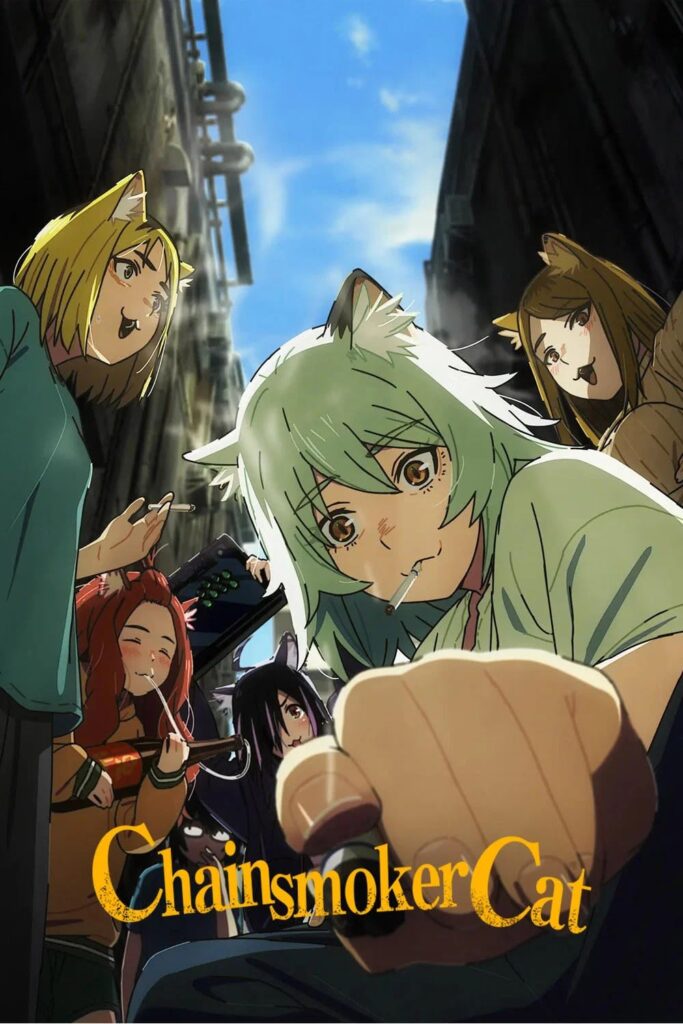
  • Chainsmoker Cat

    The Dirtiest, Most Sincere Cat-Girl Comedy of Summer 2026 

    Meet Yani. She’s a cat girl. She smells like smoke; her apartment is a biohazard, and she’s been fired from every job she’s ever had. Chain smoker Cat, adapted from Nyan Nyan Factory’s manga, premiered in July 2026—and it’s not here to make you feel good. 

    This Is Not a Healing Anime. It’s the Opposite. 

    The first two minutes tell you everything: a jar of tobacco-soaked spit water dumped on a bald man’s head, a middle-aged landlord masturbating in frustration, and a cat-girl having explosive diarrhea rendered in loving detail. If you survive those two minutes, you’ll probably keep watching. If not, you’ll completely understand why some Japanese viewers dropped the show after episode one. 

    But Chainsmoker Cat was never designed to be comfortable. Yani is a complete “girl failure”: lazy, selfish, incapable of self-reflection, blaming everyone but herself for her problems. Her friend Yaku is addicted to hard drugs, outwardly glamorous but consumed by guilt. Another friend, Hame, is a game streamer who plays the perfect cute idol online but is a rage-filled, bullied wreck in reality. 

    Each character escapes reality in her own way. Yani chose cigarettes. Yaku chose drugs. Hame chose a virtual persona. And the show uses the crudest, most direct jokes to tell you: they’re all the same. 

    Animation: Filthy, But Exquisite 

    Director Taku Kimura (who worked on Star Wars: Visions’ “Tatooine Rhapsody”) helms the project at Bibury Animation Studios, with music by Keiichi Suzuki (Saint Young Men, Tokyo Godfathers). The animation treats “filth” with strange dedication—every ashtray, every scattered cigarette butt; every stain in Yani’s apartment gets meticulous attention. That investment in detail is itself a statement: we’re not beautifying anything. 

    Yūko Natsuyoshi voices Yani, nailing that “I know I’m destroying myself, but I genuinely don’t care” tone. 

    Controversy and Popularity, Hand in Hand 

    Chainsmoker Cat generated significant controversy in Japan. Some viewers felt it glamorized smoking and unhealthy lifestyles. Reports emerged that Hong Kong’s streaming platforms pulled the anime due to local restrictions on online tobacco advertising. 

    Meanwhile, manga sales exploded. Kodansha announced full-volume reprints, with the Young Magazine editorial department stating they “received a large number of reports of sold-out bookstores,” and the editor-in-chief thanked “all the readers and viewers who embraced these truly filthy characters.” 

    The controversy is part of the work. Those who love it see an honest portrayal of “failures” and a rebellious refusal to be “healed.” Those who hate it see a nihilistic swamp with no redemption, no growth, just endless gross-out jokes. 

    So, Should You Watch It? 

    Simple test: watch the first two minutes and fifteen seconds of episode one. If you’re not scared off and instead think “this is kind of interesting,” the show is for you. If you’re the type who gets angry watching characters self-destruct without changing, skip it—Yani won’t get better. This isn’t that kind of story. 

    Chainsmoker Cat doesn’t heal, doesn’t preach, doesn’t try to make you feel good. It just puts a group of people you’d never want to know in front of you, then lets you realize during some absurd joke: they’re not that far from you.